The Letter That Arrived Fifty Years Late
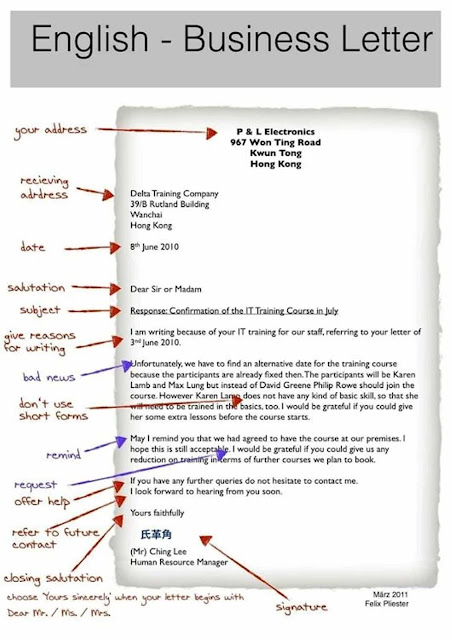
In 1969, a young man named William Bennett dropped a letter into a mailbox in London, expecting it to reach his sister within two days. That letter took fifty-four years to travel just sixty miles across England. When it finally hit the floor of a hallway in 2023, the world had completely moved on, but the words inside remained frozen in time.
Mail gets lost in the mailroom sometimes, but fifty years is something else entirely. The envelope was faded, the stamp showed a young Queen Elizabeth II, and the address listed a home that had seen three different families live and die inside its walls. Yet somehow, against all odds, the post office delivered it to the right front door. It is a story about time, memory, and how a simple piece of paper can connect us across half a century.
What Was Written Inside the Missing Envelope?
The letter was short, written in blue ink on cheap writing paper. William was just twenty-two years old when he sat down at a small wooden table to write to his sister, Mary. He had just landed his first job at a local bakery and wanted to share the good news. He asked about her young kids, promised to visit that coming Saturday, and asked if she still had his old bicycle in her shed.
He put a two-pence stamp on the front, licked the paper seal, and dropped it into the red cast-iron pillar box on the corner of his street. He assumed Mary would read it by Thursday morning. Instead, the envelope slipped into a narrow gap behind a heavy sorting frame at the main post office. It sat in total darkness for decades, covered in thick gray dust, while life went on outside.
Think about what happened while that letter sat alone in the dark. Moon landings occurred. The internet was invented. Phones changed from big plastic wheels to glass screens in our pockets. Whole lives were built and finished while those three short paragraphs waited for daylight.

How the Lost Mail Was Finally Found
In early 2023, workers started tearing down the old sorting station to build modern apartments. A team pulled away an old wooden counter that had not been moved since the late 1960s. Behind it lay trash from another age: empty crisp bags, bus tickets, and one single, flat envelope resting in the dirt.
A post office worker named Paul saw it first. He picked it up and wiped away the dust with his sleeve. The red stamp was clear, and the hand-written address was still easy to read. Most people might have thrown it away or put it in a glass display box. But Paul felt a strange duty to finish the job that someone started fifty-four years ago.
He put the ancient letter into a clean plastic bag. Then, he loaded it onto a modern red delivery van. The route was long done by machines now, but this one envelope needed to be handed over by a real human being.
Who Answered the Door Fifty-Four Years Later?
When the postman knocked on the door of the red-brick house in Sussex, a woman named Sarah opened it. She was thirty-five years old and had bought the house only two years earlier. She had no connection to William or Mary. She had never even heard their family name before.
The mail carrier handed her the clear plastic bag. Sarah looked at the tiny envelope, the old handwriting, and the stamp from 1969. She was confused at first, thinking it was some kind of modern joke or a trick for a television show. But the paper felt old and dry, like an ancient dry leaf from an autumn park.
Sarah did not throw it away. She was touched by the lost note. She decided to track down the people listed on the faded yellow paper. She spent her evening searching through local records, social media groups, and old telephone books to see if anyone remembered the Bennett family.
Finding the Family After Half a Century
Finding someone after fifty years is hard work. Mary had passed away in 2012, having lived a long and happy life without ever receiving her brother's note about his new job. But after three days of searching, Sarah found Mary's daughter, a woman named Jane who was now sixty-one years old.
Jane was just seven years old when her uncle posted that letter. When Sarah reached out online and told her the story, Jane thought it was impossible. They met at a small coffee shop in town, and Sarah handed over the plastic bag. It felt like passing a holy secret between two strangers bound by a strange twist of luck.
Jane opened the seal very carefully so the brittle paper would not tear in her hands. Reading her uncle's young voice was like stepping into a time machine. William had died eight years earlier, but here he was, twenty-two years old again, full of hope, asking about a long-lost bicycle and planning a weekend trip that never happened. It reminds us of The Jim Twins and the Strange Mystery of Identical Lives, where time and separation pull people apart in ways nobody can predict.
Why Faded Ink Still Holds So Much Power
We send hundreds of digital messages every day now. We send texts that disappear, emails we delete in seconds, and photos we forget five minutes later. They move at the speed of light, but they disappear just as fast. A physical letter is different. It carries the weight of a hand pressing ink into wood pulp.
When Jane held that paper, she was touching something her uncle touched on a rainy Tuesday in 1969. His thumb pressed against the corner. His breath caught on the wet glue. That paper held a real piece of human presence that no phone call or digital chat could ever match. People love reading a Human-interest story like this because it proves that little moments from our daily routines matter more than we think.
If you want to understand how simple stories preserve the details of ordinary lives across generations, you can read more about unbelievable real events from history. History is not just built by kings and wars. It is made of small notes, shared laughs, and normal days that get saved by pure chance.
What a Fifty-Year Delay Teaches Us Today
This long-lost delivery makes you stop and think about your own life. How many small things do we say today that will mean the world to someone else forty or fifty years from now? How often do we forget to tell our family the basic, simple news of our day?
Jane framed the small note. It sits on her desk next to a picture of her uncle when he was an old man with white hair. Now, she can see him as a young guy just starting out, eager to share a cheap pastry from his new job at the local bakery. The mail was late, terribly late, but it still did its job in the end.
Next time you walk past a mailbox, think about the paper inside. Maybe it is time to sit down with a pen, write a short message on a real piece of paper, and send it to someone you care about. You never know who might be reading it, or when it will finally arrive.
Have you ever found an old family object or letter hidden in your attic? What did it feel like to hold a piece of forgotten history in your own hands?
CONTENT:


Comments
Post a Comment