States and Cities Move to Ban Cryptocurrency Kiosks
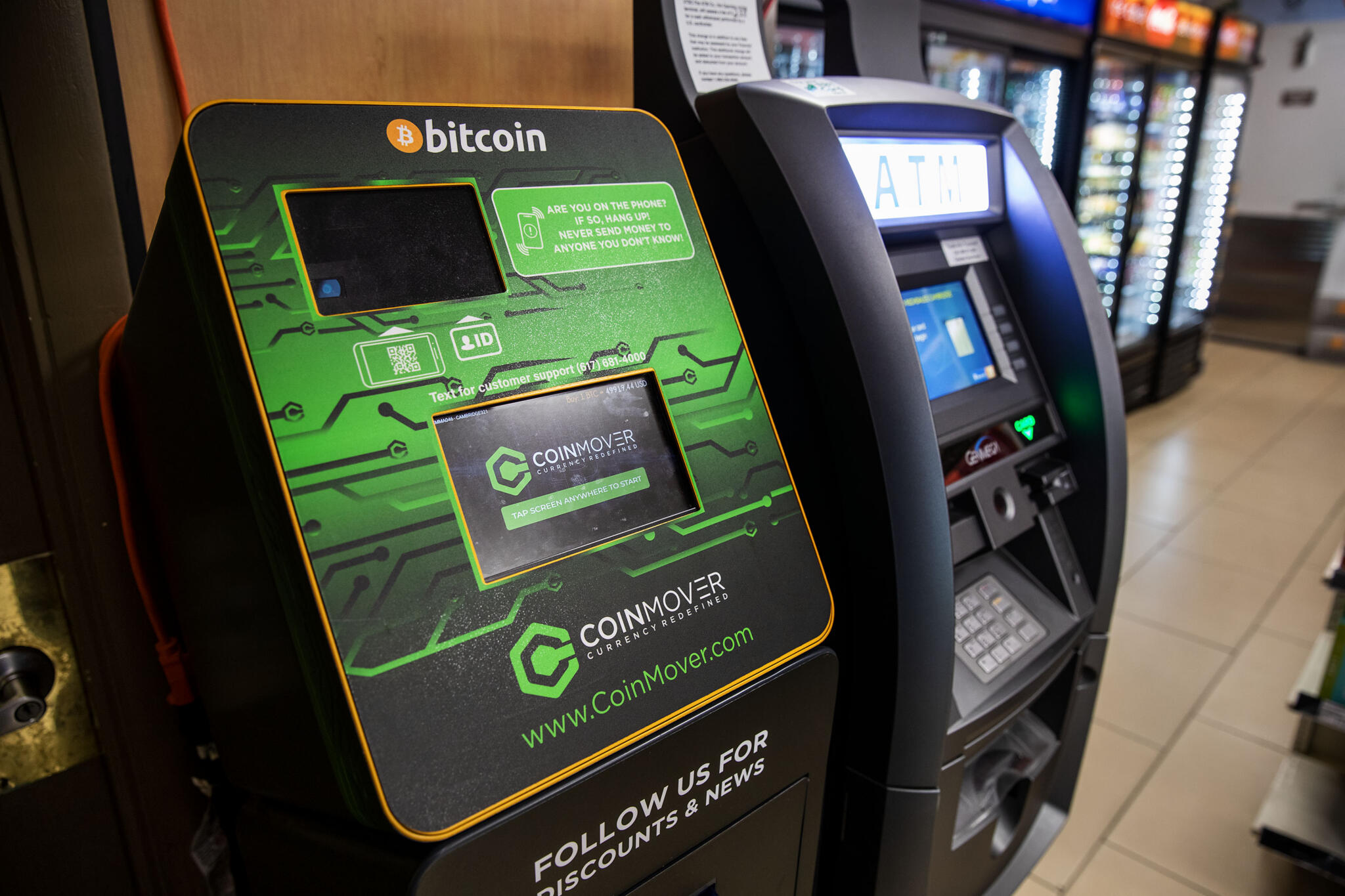
States and cities are taking steps to ban cryptocurrency kiosks as scams mount across the nation. Lawmakers want to stop criminals from using these machines to take money from everyday people. The new push could soon remove thousands of cash machines from local convenience stores and gas stations.
Why are officials banning cryptocurrency kiosks?
A cryptocurrency kiosk looks just like a normal cash machine. People can walk up to one, put in physical paper cash, and send digital tokens to a digital wallet. The process takes only a few minutes, which makes it very fast and easy to use. Learn more about how cryptocurrency works to see why digital cash transfers move so fast.
Criminals love these machines because the cash transfers cannot be undone. Scammers call victims on the phone, pretend to be police officers or bank workers, and demand quick payments. They tell victims to drive to a local kiosk and deposit paper bills. Once the victim feeds the cash into the machine, the funds go straight to the criminal. Local leaders now say that removing these machines is the best way to protect consumers.
How scammers use crypto cash machines to take money
The machines have become a major tool for modern criminals. Many victims do not even know what digital tokens are until a scammer tells them to use a kiosk. The scammer stays on the phone the whole time and gives step-by-step orders. You can read more about cryptocurrency and crime to see how criminals target normal citizens every day.
Here are the common tricks scammers use at these machines:
- Callers pretend to work for government agencies or utility companies.
- Scammers claim your bank account is frozen or in danger.
- Fraudsters send a quick QR code for the victim to scan at the machine.
- Cash goes directly into the thief's wallet with zero chance of a refund.
What these kiosk bans mean for everyday people
If you use digital tokens for normal daily buys, your local options may change fast. You might not see these tall machines in your local grocery store or neighborhood market for much longer. Instead, people who want to trade will have to use online apps on their phones or home computers. Online apps make users verify their real names, which helps scare off thieves.
For most families, these new bans will bring extra peace of mind. Older adults are often the main targets for these nasty phone tricks, losing thousands of dollars in minutes. City and state leaders believe a total shutdown of the machines will save family savings accounts. Without an easy cash machine down the street, callers cannot easily force people to pay them.
What to watch for as new rules take effect
More towns and states are preparing their own votes on the matter right now. Business owners who make money by hosting the machines will likely push back against the laws. Store owners earn rent money by letting companies place the kiosks by their front doors. Lawmakers will have to balance the profits of local shop owners against the safety of residents.
In the coming months, expect to see police departments support the bans in public hearings. Police officers often have to tell heartbroken victims that stolen kiosk money is gone forever. If these state and city bans pass, other regions will surely follow the same path. Keeping your money safe starts with knowing how these street machines operate.


Comments
Post a Comment